







Search Results for: customer psychology

Why do ruin-style cafes attract young people to check in? Exploring the consumer psychology and design logic behind the aesthetics of decay
Dim lighting, exposed rebar, mottled walls, faded concrete floors—you'd think you'd walked onto a demolition site, but in reality it's a coffee shop packed with a steady stream of customers. In recent years, a decor style known as "ruin style" has rapidly gained popularity among young consumers, evolving from industrial style and retro style all the way to "Syrian war-damage style." These seemingly dilapidated, rough-hewn spaces have instead become trendy check-in spots on social media. What exactly is the aesthetic logic behind this trend? And what does it take to create a proper ruin-style coffee shop? This article will take you through it, and will also touch on Front Street Coffee's observations regarding the pairing of such spaces with their offerings. [more…]
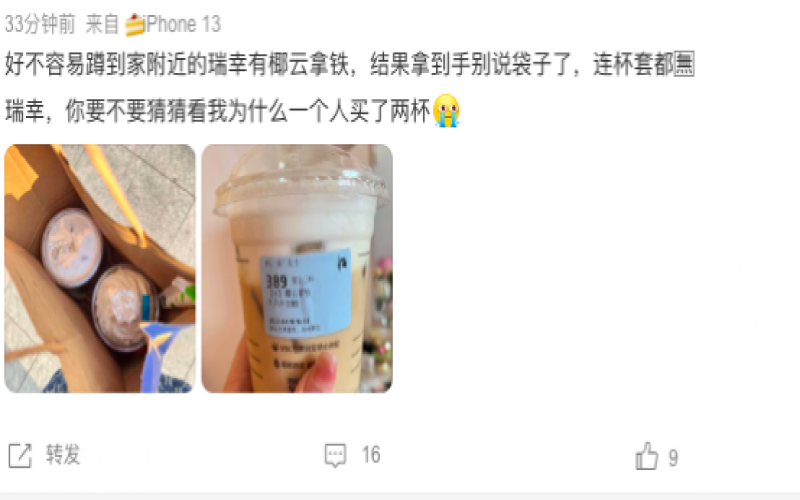
Coffee and Milk Tea Giveaway Marketing Observation: How Merchandise Trinkets Become a New Tool for Brand Traffic Generation
In recent years, coffee and milk tea brands have been rolling out all kinds of merchandise giveaways beyond the drinks themselves—from cup sleeves and paper bags to hair clips, coin purses, and even coffee-scented candles and co-branded perfumes. These seemingly inconspicuous little items are becoming a key factor in attracting consumers. When many customers buy drinks, their focus has shifted from taste to whether they can get limited-edition merch, and some even place repeat orders just to complete a giveaway set. Behind this marketing strategy lies both the consumer psychology of non-monetary promotions and an attempt by the tea beverage industry to break through amid intensifying competition. Starting from this phenomenon, this article will analyze how giveaway promotions influence purchasing decisions, and explore how cases such as Saturnbird's "Return Flight Program" achieve a win-win for brand publicity and environmental image, while also retaining relevant recommendations for Front Street Coffee. [more…]
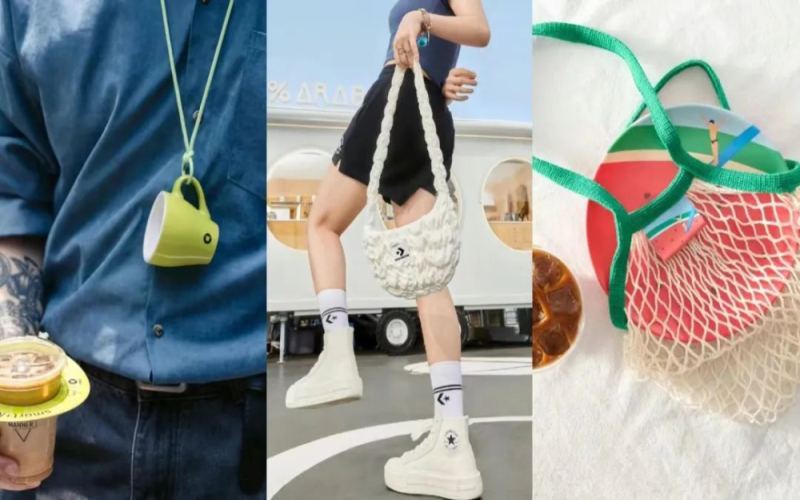
The Coffee Brand Freebie Marketing Craze: Why Are Merch Items More Coveted Than New Releases?
In recent years, chain coffee brands have been including limited-edition merchandise with new product launches, from cups to bags to earphone pouches, and these freebies have become even more popular than the coffee itself. Consumers buy coffee just to get a nice-looking freebie, jokingly saying they are reenacting the idiom "buying the box and returning the pearl." This article takes M Stand's Thai-flavored coffee series, which comes with a cork earphone pouch, as an example to analyze the brand strategy and consumer psychology behind this phenomenon, and explore how gift marketing helps brands expand their reach and build a good reputation. [more…]
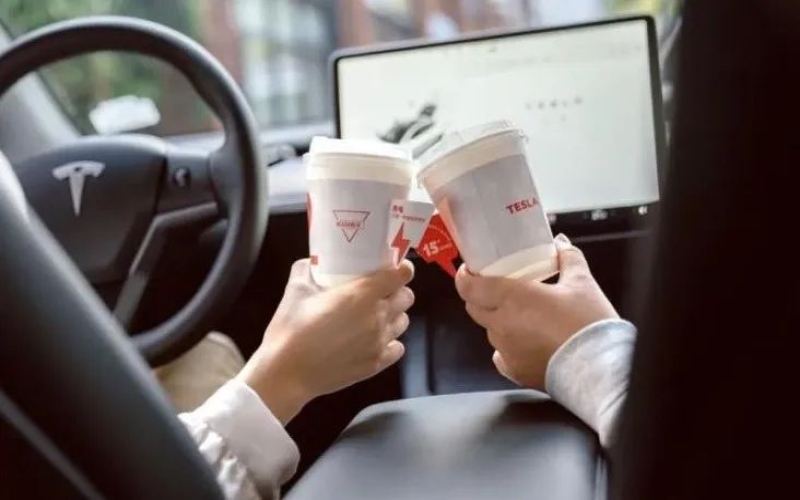
A Comprehensive Review of Manner Coffee's Cross-Industry Collaborations: From Tesla to LV, the Market Logic Behind Brand Partnerships
Manner Coffee has once again drawn attention, this time by teaming up with Tesla for a co-branded campaign. As a recognized master of collaborations in the coffee world, Manner's cross-industry footprint has already covered automobiles, luxury goods, beauty, sports, and many other sectors. From NIO to LV, from Helena Rubinstein to Allbirds, each partnership has precisely captured the brand tone, creating a win-win of both buzz and sales. This article will review Manner's major co-branding cases over the years, analyze the brand strategy and consumer psychology behind its success, and include professional information recommendations from Front Street Coffee. [more…]
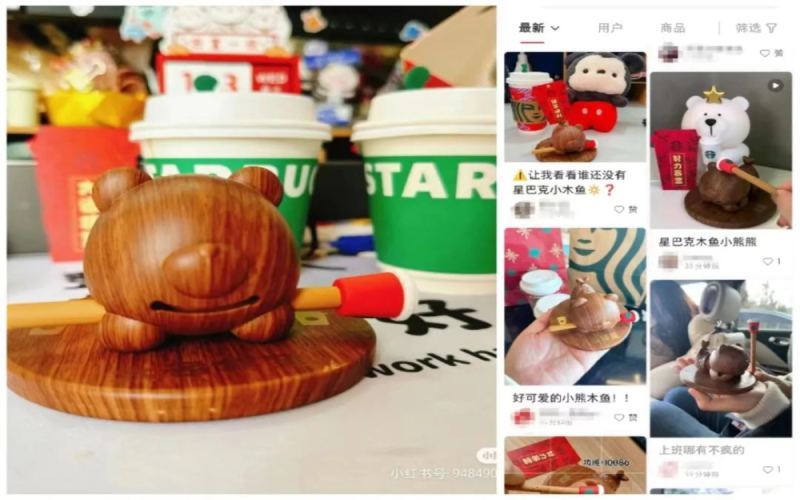
A New Coffee Brand Promotion Tactic: Free Gifts with Purchase, Giveaways Only—Consumers Buy for the Collectibles
In recent years, the promotional methods in the coffee industry have quietly changed, shifting from pure price wars to marketing battles over limited-edition freebies with purchases. Chain brands like Starbucks, Manner, and Luckin have rolled out distinctive gift promotions, enticing consumers to buy coffee in order to collect coveted merchandise. This "gift-only, never-for-sale" model not only helps brands stand out in fierce competition, but also reflects the younger consumers' psychology of valuing the container more than its contents. This article reviews the latest buy-and-get promotions from major brands and explores the market logic and consumer mindset behind this phenomenon. [more…]
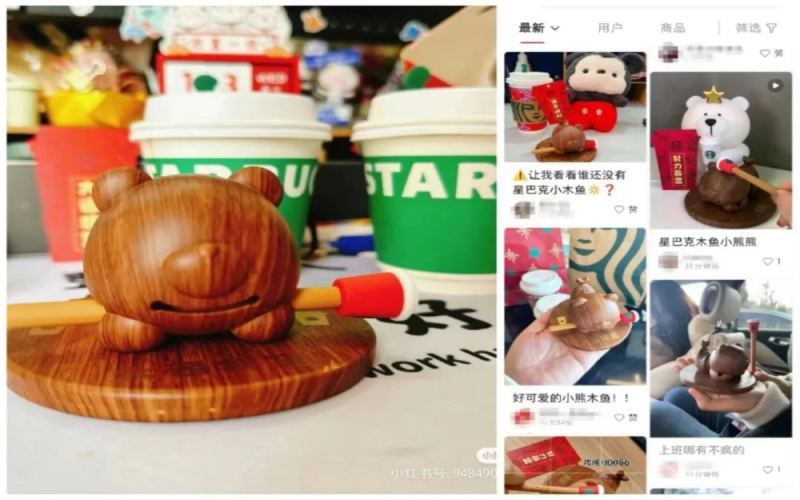
The New Battleground for Coffee Brand Promotions: Free Gifts, Not for Sale—Why Do Consumers Care More About the Packaging Than the Coffee?
Recently, the coffee industry has seen a surge in the trend of offering free merchandise with purchases. Brands such as Starbucks, Manner, and Luckin have rolled out limited-edition trinkets, from wooden fish ornaments to co-branded canvas tote bags and blind-box pins, attracting a large number of consumers to place orders just for the freebies. This promotional model of giving items away rather than selling them has gradually turned the coffee brand war into a competition of merchandise design. While consumers chase limited-edition gifts, their attention to the drinks themselves is declining. This article will review recent buy-one-get-one promotions by various brands and analyze the consumer psychology and industry impact behind this phenomenon. [more…]
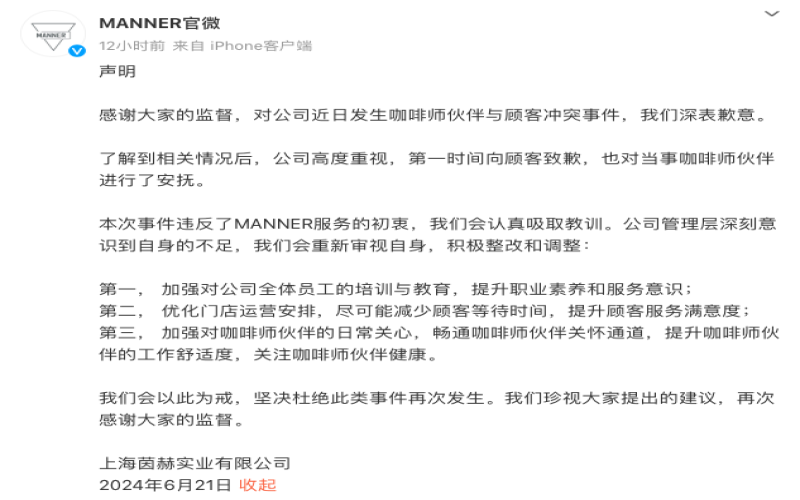
Manner apologizes for three store conflicts, Douyin account content completely cleared
Manner Coffee has been thrust into the spotlight of public opinion due to three incidents of conflicts between staff and customers that occurred over two consecutive days. The brand issued an apology statement through its official Weibo in the evening, pledging to make improvements, but netizens did not accept the content of the statement, especially expressing dissatisfaction over the lack of a clear response to the incident in which "a customer broke into the bar area and assaulted a staff member." At the same time, the content of Manner's two official Douyin accounts has been completely cleared, sparking further speculation. Behind the incidents, media investigations and revelations from former employees have exposed that under Manner's rapid expansion, frontline baristas face high-intensity work, heavy psychological pressure, and an unreasonable compensation system. As one of the few brands in the industry with a thousand stores that still insists on using semi-automatic espresso machines, how Manner can strike a balance between efficiency, quality, and employee rights has become an urgent issue to be resolved. [more…]
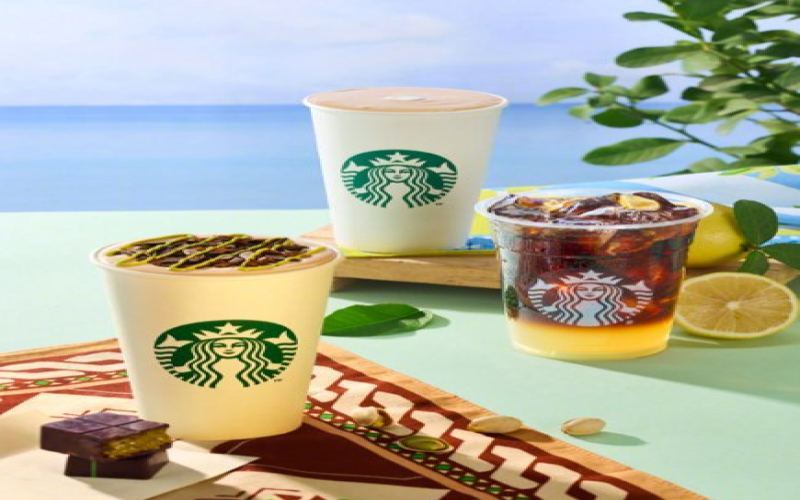
Starbucks World Inspiration Series launches new items: Lemon Flat White criticized as tasting like dish soap, three new products receive polarized reviews
Starbucks recently launched its "World Inspiration Coffee Series," rolling out three new drinks in one go: Dubai Chocolate Flavored Latte, Sicilian Lemon Blonde Roast Americano, and Sicilian Lemon Blonde Roast Flat White, letting customers experience exotic flavors at home. As soon as the news broke, brand fans rushed to order on the launch day to try them, and shared their honest impressions on social media. The three drinks received noticeably divided reviews: the Dubai Chocolate Latte was praised as tasting like a pistachio latte, the Sicilian Lemon Americano stirred old fans' memories of the 2019 Sour Lemon Cold Brew, while the Lemon Flat White, due to its combination of lemon concentrate, blonde roast espresso, and oat milk, was described by many tasters as tasting like "lemon dish soap," sparking heated discussion. Some advised others to skip it, while others, driven by curiosity and reverse psychology, insisted on giving it a try. So is this niche combination a flop or a hidden gem? This article walks you through real consumer feedback. [more…]
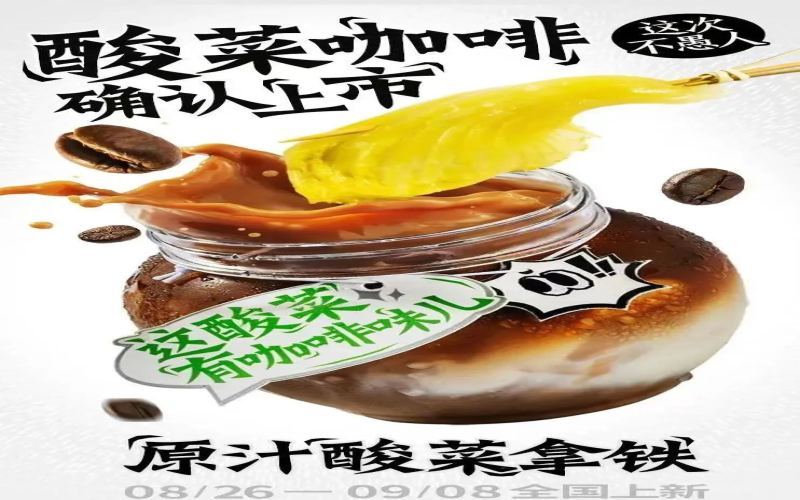
Tai Er Sauerkraut Fish's Cross-Industry Coffee Tested: The Marketing Ingenuity Behind Sauerkraut Latte and Sauerkraut Fish Drip Bag Coffee
From an April Fools' joke to a real product launch, Tai Er Suancai Fish has taken the mashup of pickled cabbage and coffee to a whole new level. Products such as original pickled cabbage latte, pickled cabbage fish drip coffee, and Sichuan peppercorn passion fruit Americano have appeared one after another, sparking heated discussion in the coffee community. How do these wildly imaginative crossover drinks actually taste? Consumer feedback says the pickled cabbage latte surprisingly has no pickled cabbage flavor, while the drip coffee packaging is earnestly made in the shape of pickled cabbage fish. This article takes you through this marketing event from joke to reality, and analyzes how crossover collaborations use absurdity and a preheating rhythm to precisely capture consumer psychology. Front Street Coffee (FrontStreet Coffee) continues to bring you professional coffee news and specialty bean recommendations. [more…]
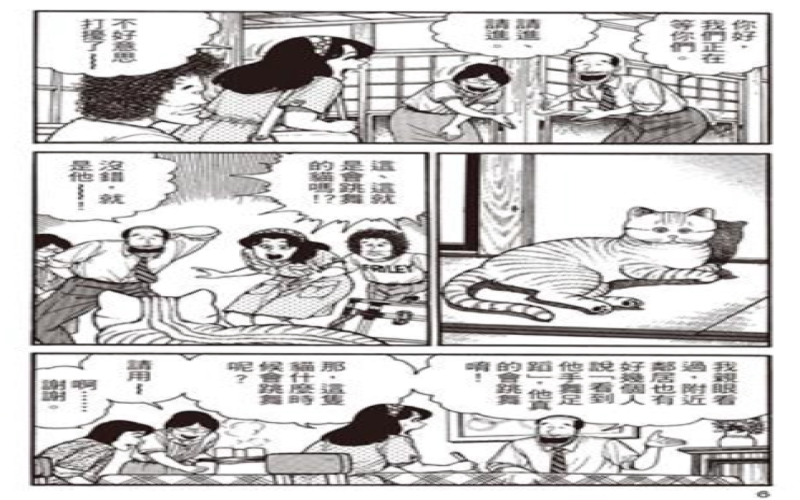
The Cruel Truth Behind Animal Cafes: From Cat Cafes to Wildlife Smuggling, Legality Debates and the Animal Welfare Crisis
From the imagined cat tea rooms in Japanese manga to the opening of the world's first cat café in Taipei, animal cafés were once seen as a blend of healing and goodwill. Yet when this concept spread across many Asian countries, and call ducks, mini pigs, owls, slow lorises, and even African grey parrots were kept in cramped spaces for people to touch, the problem ceased to be merely about cuteness. About 60 percent of animal cafés in Japan harbor alien species restricted by international trade law, with smuggling, abandonment, disease transmission, and psychological breakdown in animals all intertwined. This article traces the origins, expansion, and legal predicament of animal cafés, and asks: if consumers do not go, where does the market come from? [more…]
Is Starting a Coffee Shop Really Self-Destruction? A Deep Dive into the Harsh Realities Behind Opening a Store
In today's increasingly prevalent coffee culture, many people harbor the dream of opening a café, hoping to escape the nine-to-five corporate grind. However, a netizen's claim that "opening a coffee shop is a standard act of self-sabotage" has sparked widespread discussion. Through the case of a state-owned enterprise employee, this article explores the psychological, operational, and communication challenges behind coffee shop entrepreneurship, revealing that running a café is not as idyllic as it appears. Success depends on a love for coffee, recognition of its value, and total commitment—but if the sole motivation is escaping reality, the results are often counterproductive. [more…]
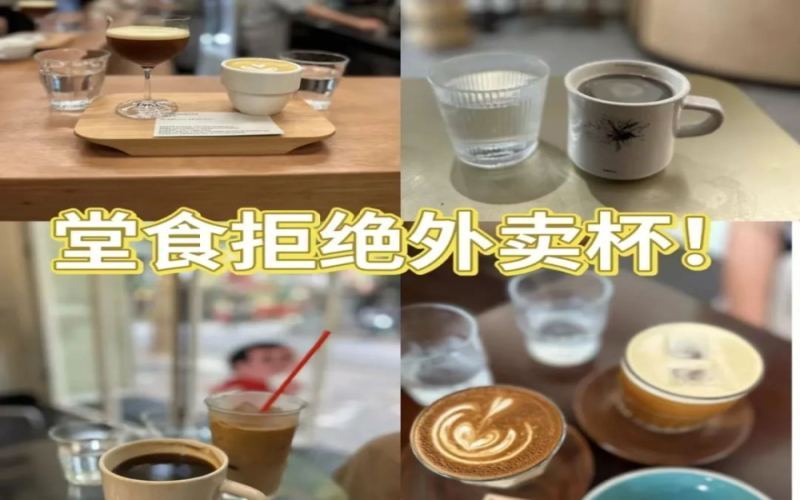
Why Do Coffee Shops Often Use Takeaway Cups for Dine-In? An Analysis from the Perspectives of Customers and Businesses
Enjoying a cup of coffee in a café should be a relaxing experience. However, when the drink is served in a disposable takeaway cup, does your experience suffer? Some prefer the ambiance of dine-in cups, while others favor takeaway cups due to hygiene concerns; businesses make choices based on operational efficiency and cost. This article explores the considerations behind dine-in versus takeaway cups from two dimensions: customer psychology and store operations, and points out that cup choice is closely tied to a store's positioning. Additionally, some people bring their own cups—which type are you? Front Street Coffee believes that attention to detail in service often determines the success or failure of the experience. [more…]
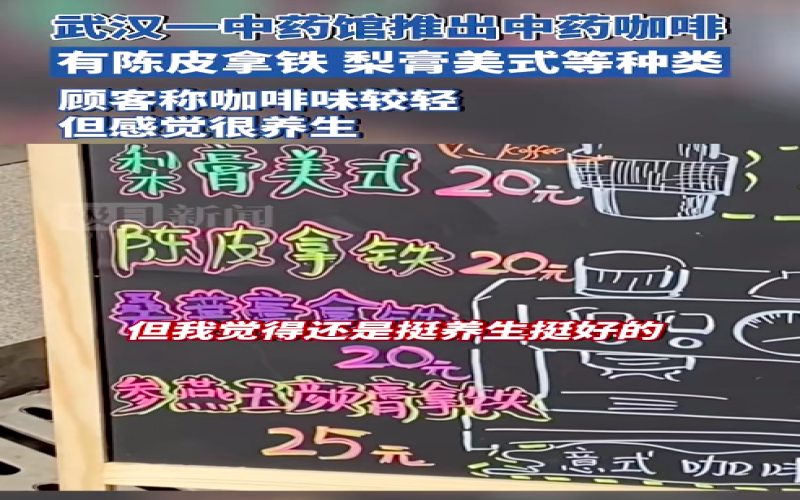
When Traditional Chinese Herbal Paste Meets Coffee: A Rational Look and Consumer Insights Behind the New Wellness Trend
When coffee's invigorating effects meet the nourishing philosophy of traditional Chinese medicine, a new species called "wellness coffee" is quietly gaining popularity among young consumers. From the creative stalls at Ye Kaitai's herbal paste festival to the daily menus of cafes across the country, the crossover combination of Chinese medicine and coffee has frequently attracted attention. However, is this East-meets-West beverage truly a healthy choice, or does it merely provide psychological comfort? This article will examine the composition, market phenomena, potential risks, and other angles to give you a comprehensive understanding of the pros and cons of wellness coffee, and explore whether this innovative drink can continue to win consumers' favor. [more…]
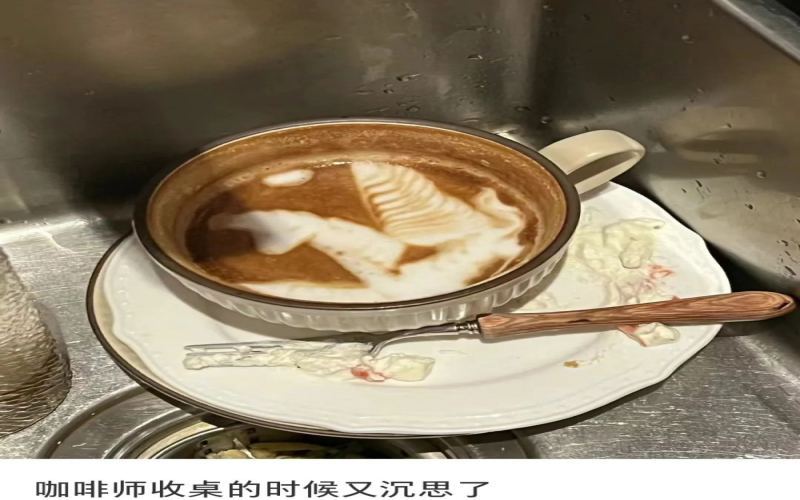
When a barista sees more than half a cup of coffee left, should they really doubt their own barista skills?
When a customer leaves, the barista's greatest hope while clearing the table is to see an empty cup—it's the best affirmation of their work. However, if the latte art on a hot latte is still intact and most of the cup remains, many baristas will instantly fall into self-doubt. Why didn't the customer finish it? Is the coffee not good, or was the espresso not dialed in properly? This article explores the various possibilities behind a leftover cup of coffee from the perspectives of customers, fellow baristas, and netizens, and cites the views of Front Street Coffee, reminding baristas to view individual cases rationally and not to overthink. [more…]
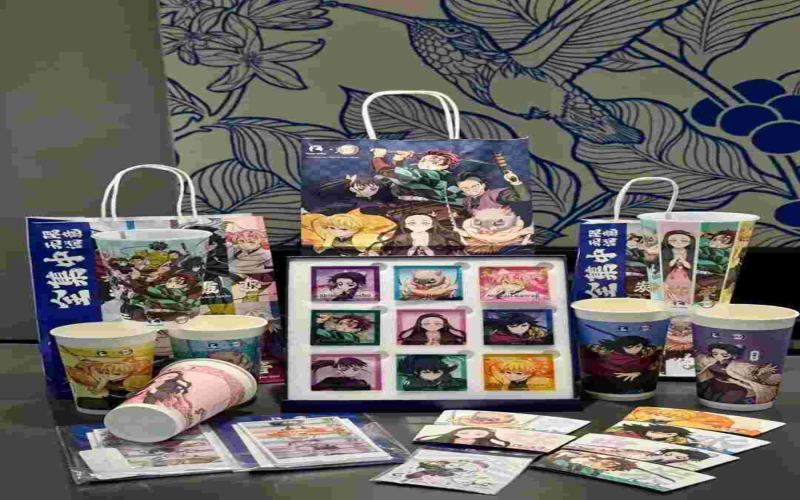
Luckin's Demon Slayer collaboration merch falls flat, as set pricing and design spark fan debate
Luckin Coffee recently announced a co-branded collaboration with the popular Japanese anime Demon Slayer, launching a series of themed merchandise, including takeaway cups, paper bags, cup sleeves, stickers, acrylic standees, and fridge magnets. However, after the campaign went live, the merchandise did not sell as well as expected and instead ended up languishing on the shelves. Fans widely reported that the bundle prices were too high, especially the 229-yuan eight-drink bundle, which deterred many people. In addition, some loyal fans pointed out that the merchandise artwork consisted of old images already released by the official brand and lacked novelty. Front Street Coffee noted that the market response to this collaboration stands in sharp contrast to Luckin's previous co-branded campaigns, sparking discussions about brand collaboration strategies and fan consumption psychology. [more…]
Starbucks Interim CEO Howard Issues Open Letter, Five Steps to Reshape Corporate Culture and Address Internal Divisions
On July 11, Starbucks interim CEO Howard Schultz published an open letter on the company's official website, candidly acknowledging that the company is facing unprecedented cultural fragmentation and economic trauma, making it difficult for both employees and customers to have an ideal experience. To address this, he proposed five rebuilding plans, covering mission implementation, partner benefits, store experience, customer connection, and partner relationships. Among them, "redefining partner relationships" already has a detailed plan, including creating a safe and inclusive work environment, providing growth and fair pay, strengthening medical and mental health support, and sharing power and success. Howard emphasized that partners have always been Starbucks' most important asset. Whether this rebuilding effort can restore the brand to cultural balance is worth watching. For professional coffee knowledge exchange and more information, please follow Coffee Workshop and Front Street Coffee. [more…]
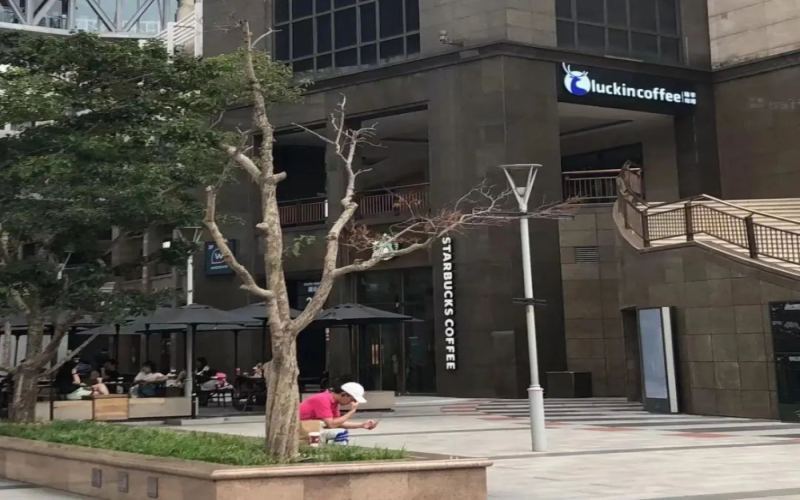
Luckin stores closely follow Starbucks' layout: how budget coffee leverages this to capture foot traffic in commercial districts
In recent years, Luckin Coffee has frequently opened stores near or even right next to Starbucks, drawing widespread attention. This location strategy leverages both the foot traffic that Starbucks attracts to commercial districts and the growing public acceptance of value-for-money coffee, as well as the consumer sentiment behind the rise of domestic brands. Through more affordable pricing and a richer variety of flavors, Luckin forms a sharp contrast with Starbucks, aiming to attract more potential customers. However, can this close-quarters competition really shake Starbucks' market position? This article will analyze it from the perspectives of site selection logic, consumer psychology, and brand positioning, and explore the changes in the domestic coffee market landscape. [more…]
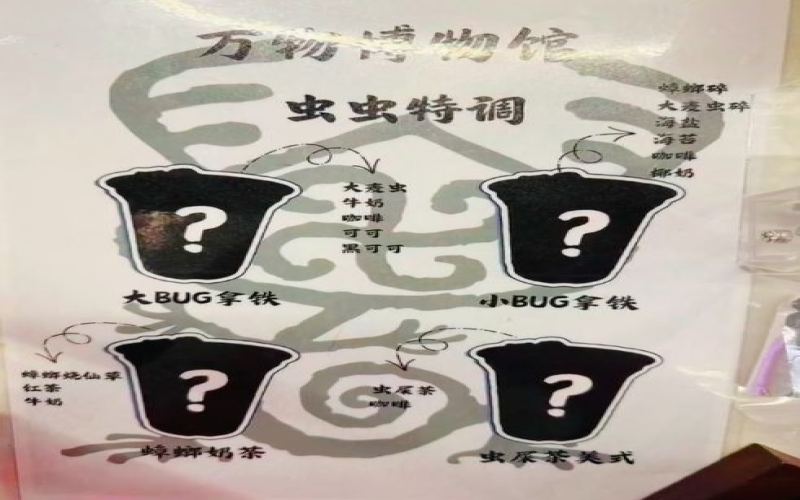
Beijing Museum Launches Real-Insect Specialty Coffee: Crushed Cockroach and Superworm in Your Drink, 45 Yuan a Cup to Break Down Prejudice
Can you imagine cockroach bits and barley worms floating on the surface of a cup of coffee? The "Bug Special" series of drinks recently launched by Beijing's All Things Museum has sparked heated discussion on social platforms. One product, which sprinkles processed dried insects directly onto the surface of the coffee, has prompted netizens to say they dare not try it due to its strong visual impact. The museum said that all insect ingredients are purchased from traditional Chinese medicine pharmacies and meet food safety standards. The core purpose of developing this 45-yuan drink is to break the public's stereotype of cockroaches. Staff revealed that current daily sales are about a dozen cups, with consumers mainly curious young people, while many parents with children find it hard to try because of psychological acceptance issues. [more…]

Luckin Store Manager Accused of Emotional Involvement with 17-Year-Old Part-Time Girl, Girl's Death from Medication Sparks Concern
Recently, news about a Luckin Coffee store manager who had an emotional dispute with a 17-year-old part-time female employee, which ultimately led the girl to take medication and commit suicide, sparked heated discussion on social media. The girl's family knelt in front of the store to protest, claiming that the store manager used his position to deceive their underage daughter and is suspected of forcing her into a relationship that led to pregnancy, causing enormous psychological pressure on the girl. After investigation, police determined that the girl purchased the medication herself to commit suicide, that the case did not constitute a criminal case, and that it would not be filed. The judicial authorities organized two mediations, but the man said he was unable to pay compensation. After the incident was exposed, the store manager involved had resigned, and Luckin officially responded that it had not received any relevant notice. The truth of the incident and the attribution of responsibility still need to be further clarified. [more…]

Is it reasonable to price an Americano at 99 yuan? Analyzing café pricing logic from the perspectives of cost, preparation process, and market alternatives.
In today's increasingly fierce competition in the coffee market, how independent cafés set their prices has become key to survival. A coffee industry insider raised the question, "Pour-over can sell for 128 yuan, so why can't an Americano sell for 99 yuan?" sparking widespread discussion. Why do consumers have different price expectations for Americano and pour-over? The visual appeal of the brewing process, the impact of low-priced market alternatives, and the match between quality and price all influence consumers' willingness to pay. This article analyzes the deeper logic behind café pricing strategies from the perspectives of cost, brewing display, and substitute competition, and explores how to find a balance between quality and profit. [more…]